
Research Themes
Research conducted at these facilities can be divided into four themes:

Environment Learn More
Assessing our ever-changing environment using nuclear methods and techniques

Health Learn More
Diagnosing and treating patients worldwide using medical isotopes

Materials Learn More
Investigating and analyzing material composition at the atomic level

Nuclear Learn More
Using nuclear processes to study everything from the atom to ancient artifacts
Affiliates
Listed below are affiliated groups at McMaster University that work alongside Nuclear Operations and Facilities.

Health Physics Learn More
The Health Physics Department is responsible for implementing McMaster University’s Radiation Safety Program. They ensure the safety of those who work with ionizing radiation in the McMaster community through administrative controls, task-specific training, and continuous monitoring of facilities and personnel.
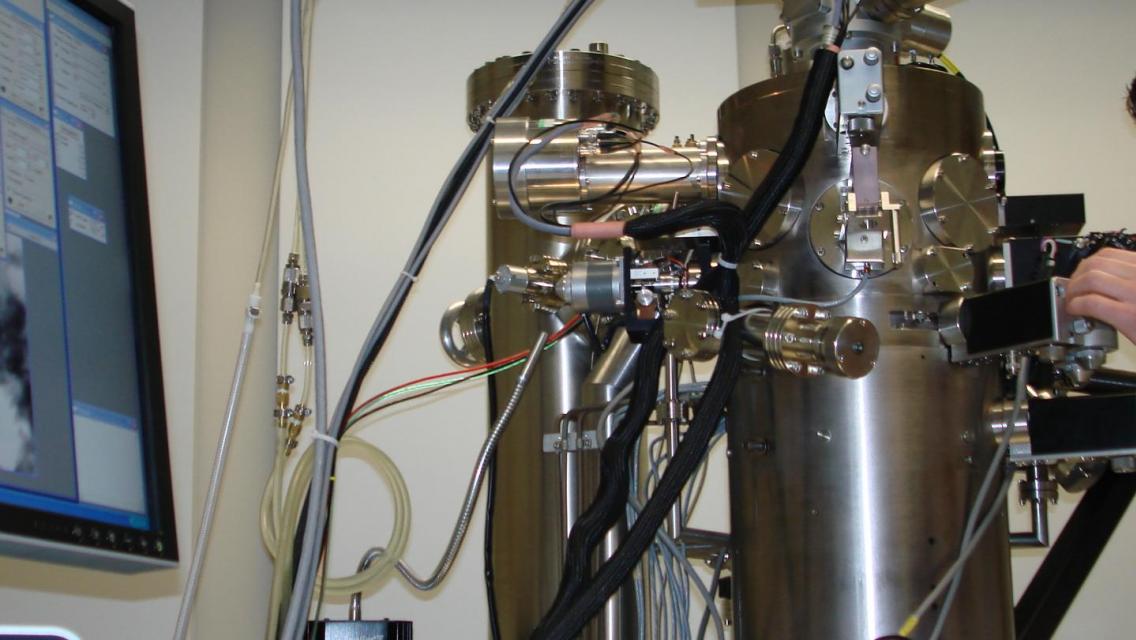
Brockhouse Institute for Materials Research Learn More
The BIMR plans for and operates sophisticated infrastructure for the production and advanced characterization of materials. It also disseminates and celebrates research achievement covering a wide range of scientific and engineering interests related to materials.
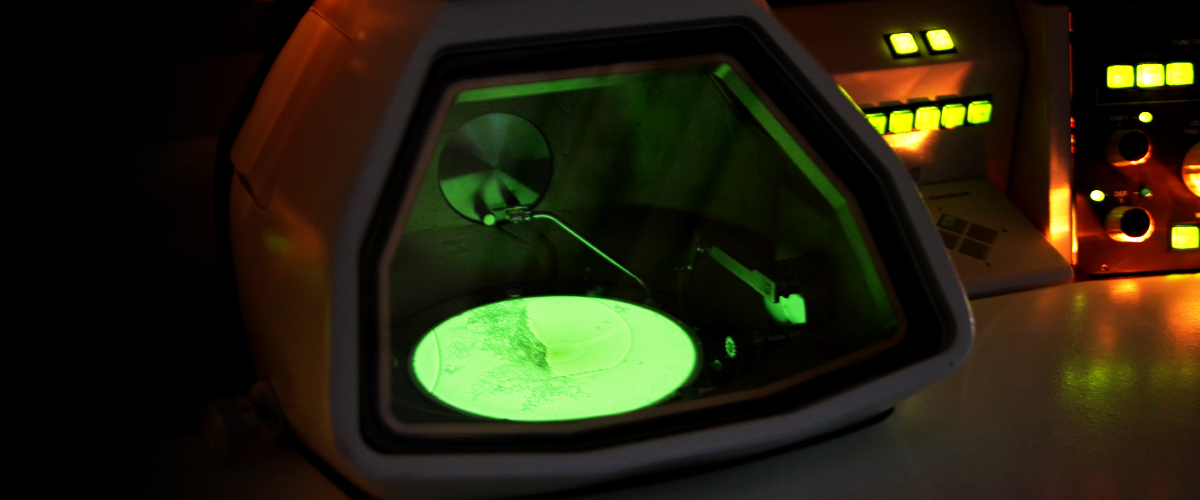
Canadian Centre for Electron Microscopy Learn More
The Canadian Centre for Electron Microscopy provides world-class electron microscopy capabilities and expertise to Canadian researchers and industry working in a broad range of fields.

Department of Chemistry and Chemical Biology Learn More
McMaster University offers an undergraduate degree in Medical Physics.
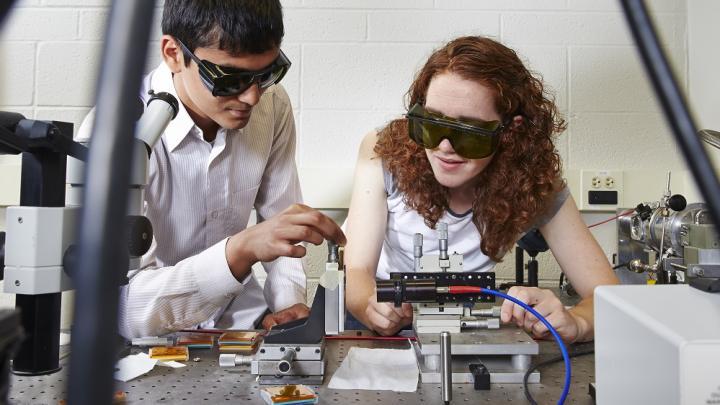
Engineering Physics Learn More
The Department of Engineering Physics works closely with Nuclear Operations and Facilities for research and academic purposes.
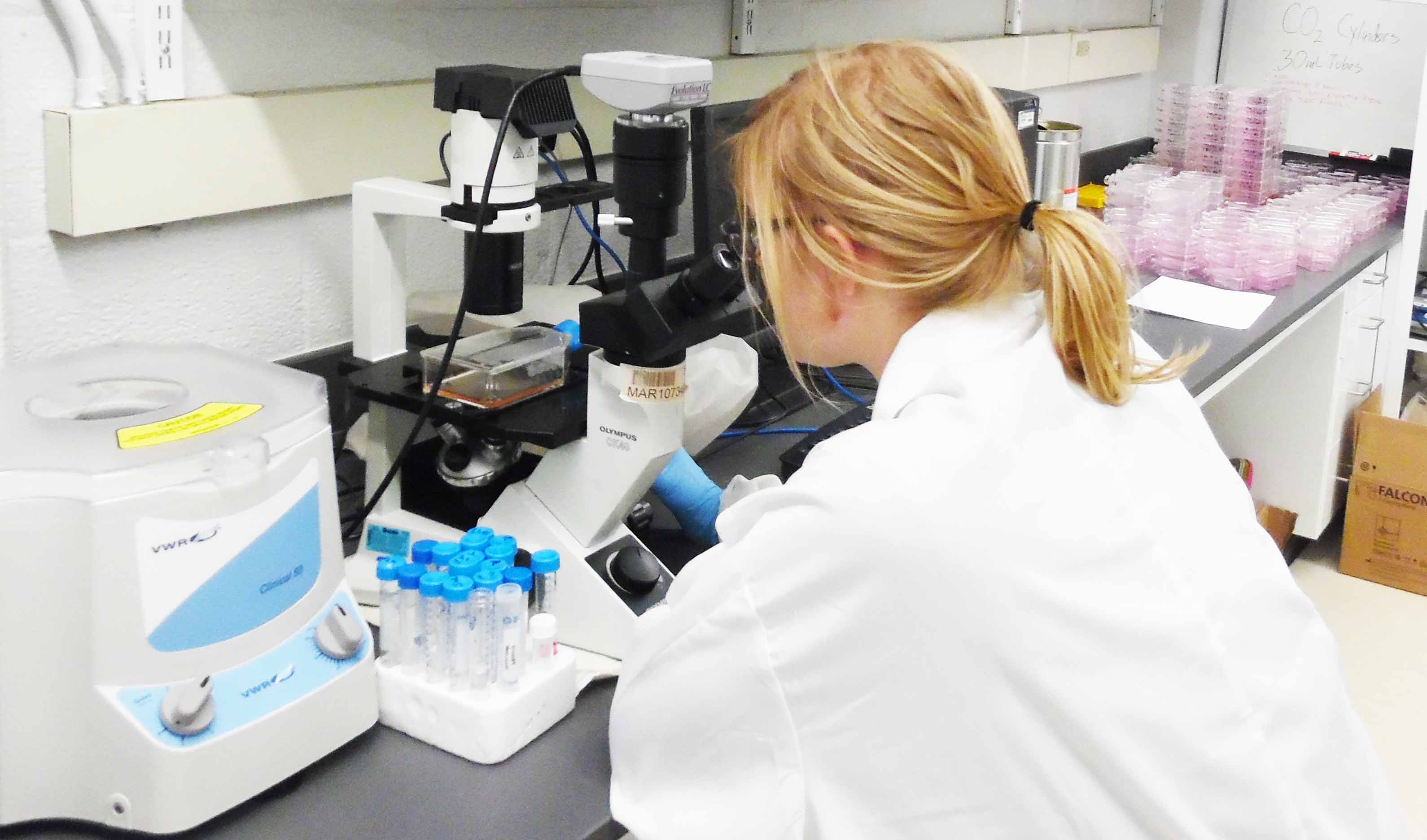
Radiation Sciences Graduate Program Learn More
Radiation Sciences is broadly interdisciplinary, bridging the fields of medicine, biology, engineering and physical science. It provides scientific method and knowledge to certain industrial sectors, especially the healthcare and nuclear industries.
Medical Physics Learn More
McMaster University offers an undergraduate degree in medical physics.