
Information Box Group
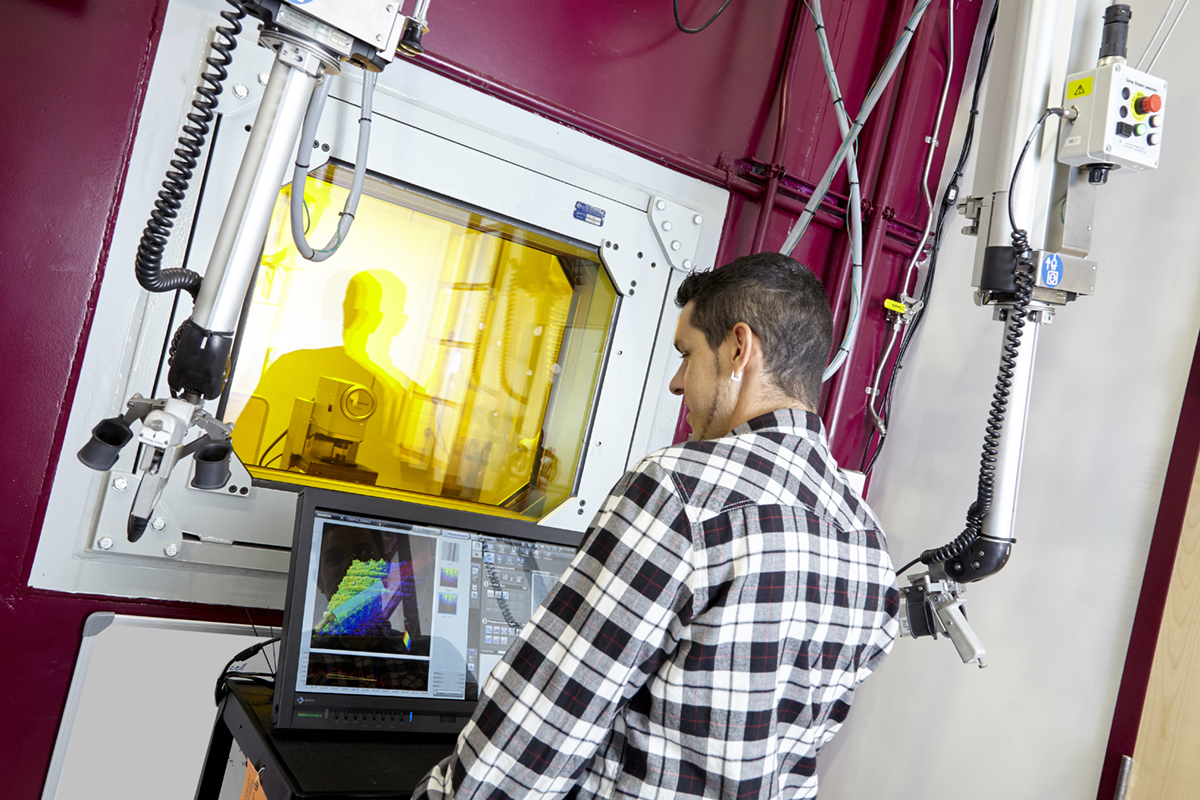
Receiving Cell
The CANS receiving cell is a versatile space capable of numerous applications with its open space. It is also equipped to receive vertical and horizontal casks.
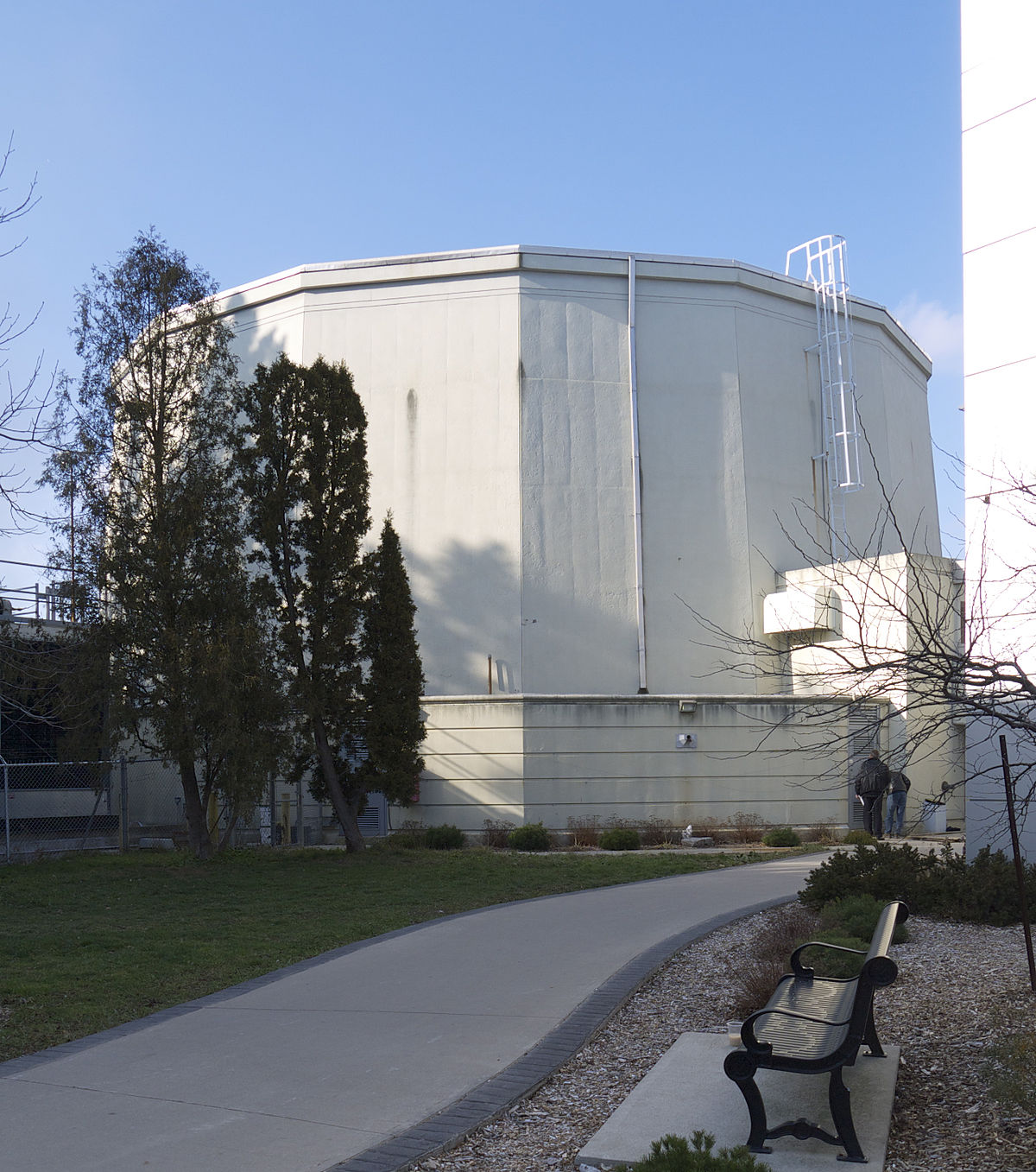
DNC
Delayed Neutron Counting (DNC) is most commonly used for determining uranium content in soil samples for the uranium mining industry. A non-destructive technique, it can therefore be used for expensive or irreplaceable samples such as archaeological artifacts.
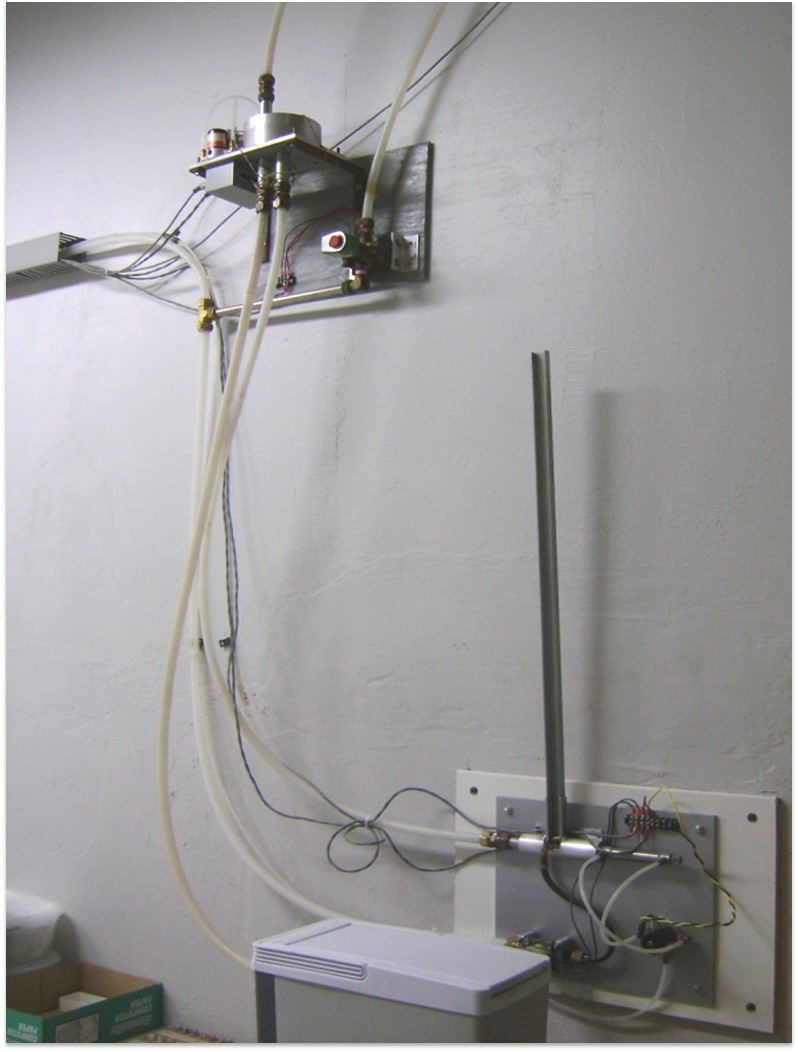
Prompt Gamma Neutron Activation Analysis
PGNAA utilizes the “prompt” gamma rays emitted during neutron capture, rather than the gamma rays that are emitted as the result of radioisotope decay. Used to determine elemental composition; useful for quantifying Boron, Cadmium and certain lanthanoids (Eu, Gd, Sm).
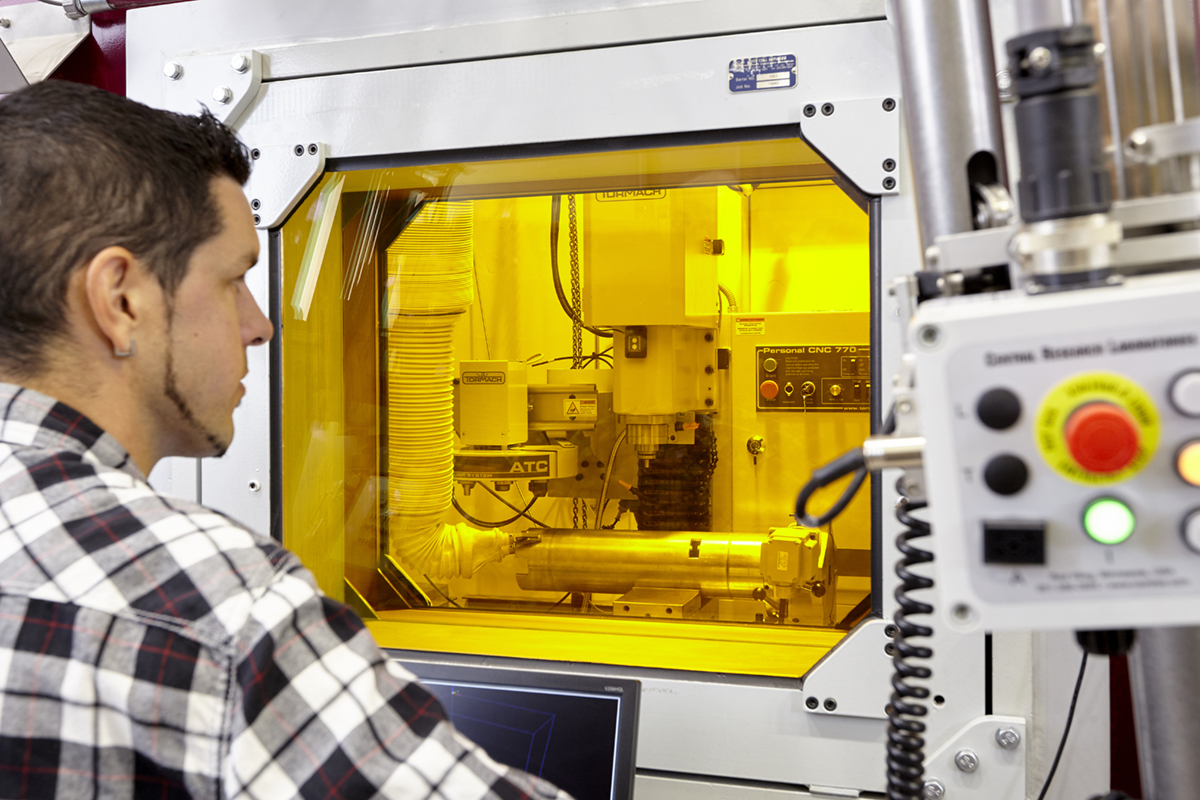
Machining Hotcell
The Machining Cell is equipped with a Tormach PCNC 770 CNC 3D mill.
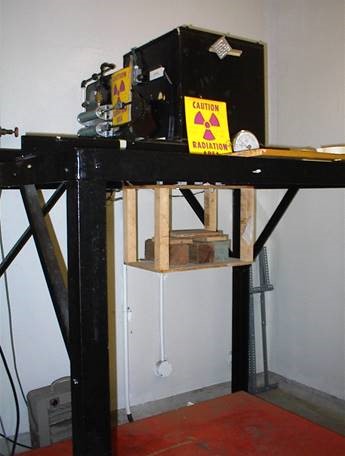
Taylor Radiobiology Source
The Taylor Source is a large volume, high dose-rate Cs-137 source, commonly used to examine the effects of ionizing radiation on living systems.
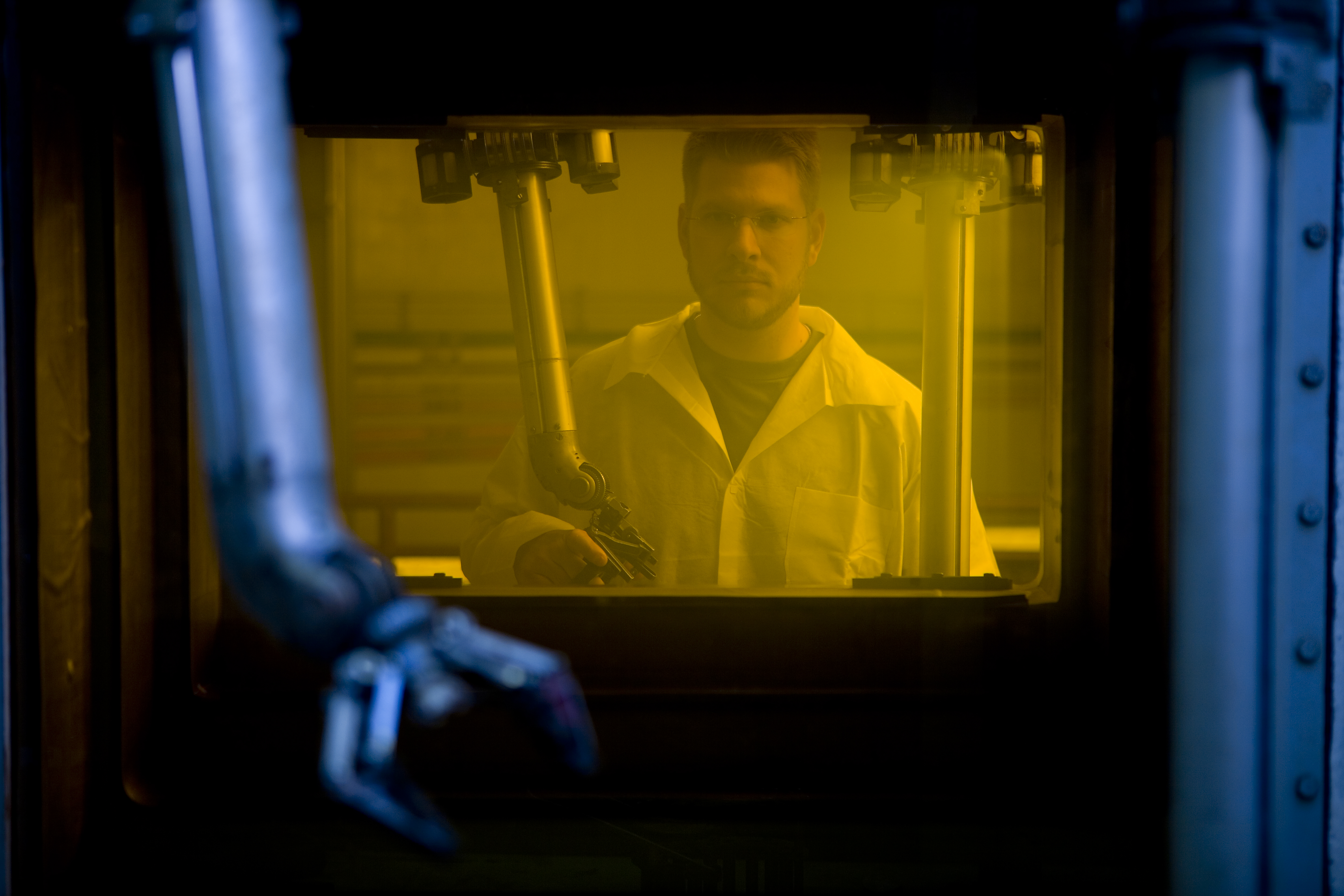
Cobalt-60 Radiation Source
A 10 kCi Co-60 source is housed in the industrial hotcell within containment at the McMaster Nuclear Reactor. Various irradiations are routinely done ranging from qualifying nuclear equipment to sterilization and nuclear dating.
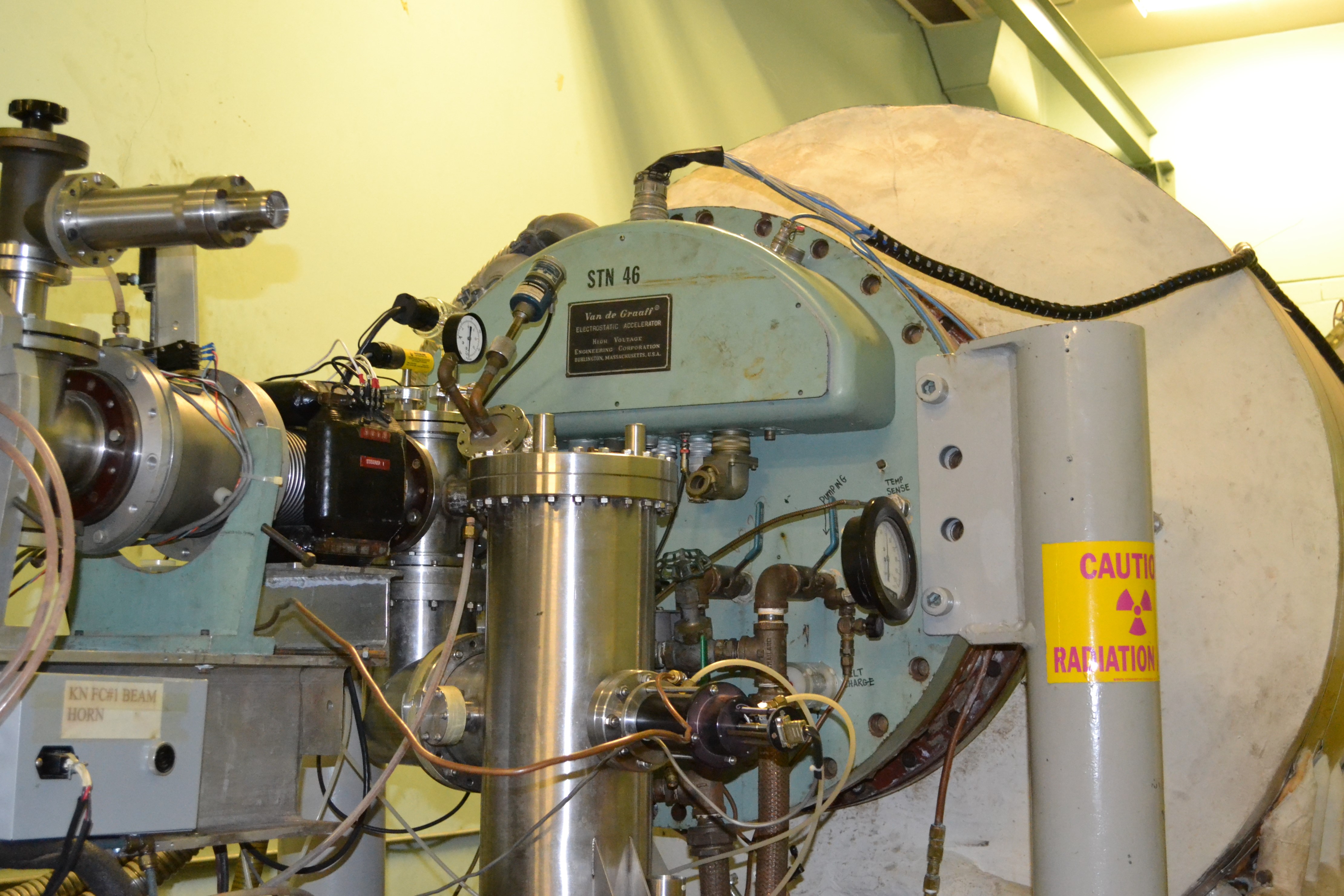
KN 3MV Van De Graaff Accelerator
A linear, horizontal, single ended Van De Graaff accelerator with a design rating of 3MV. It is used for a wide variety of experiments.
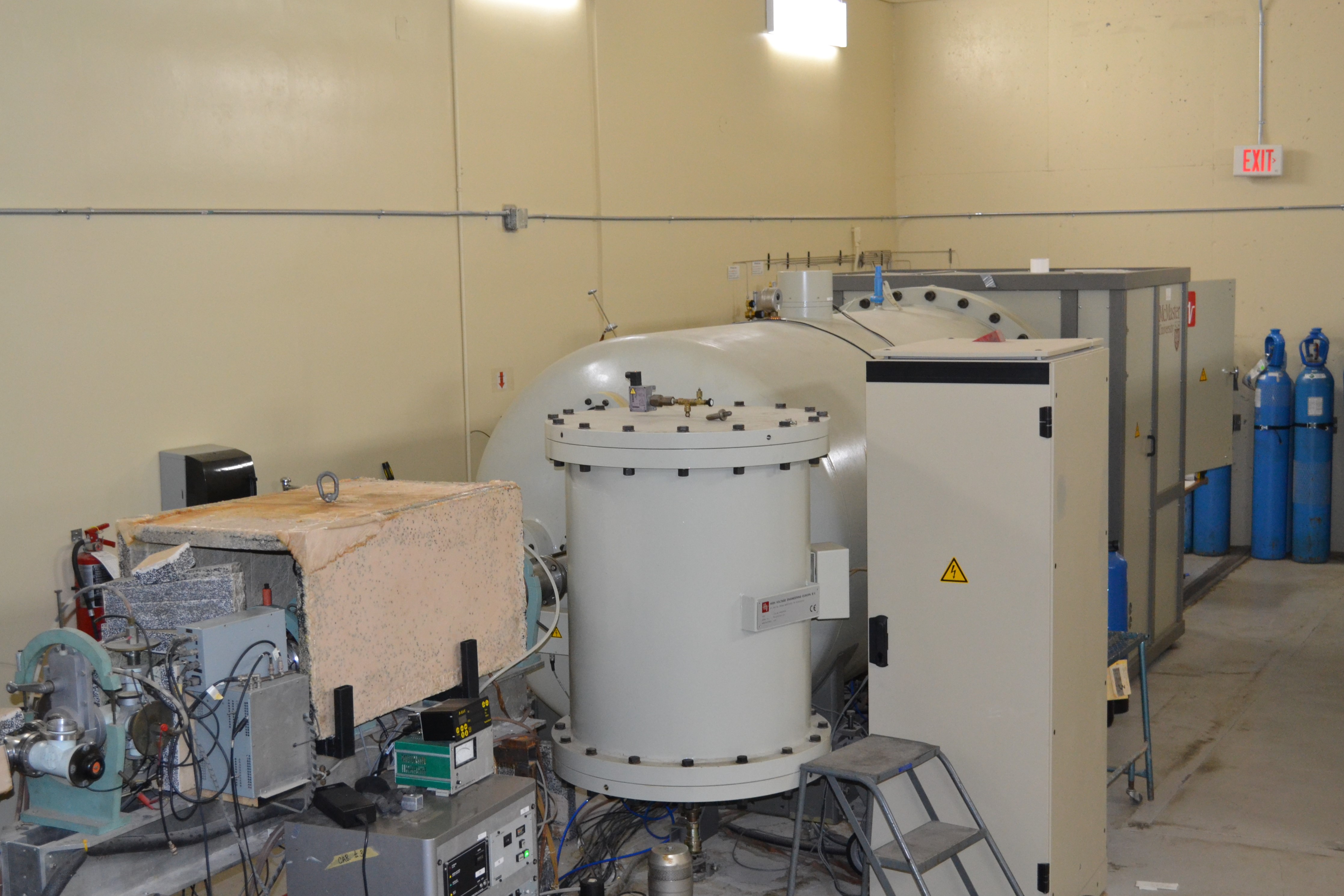
Tandetron 1.25 MV
The McMaster Accelerator Laboratory houses a 1.25MV Tandetron tandem type accelerator custom made by High Voltage Engineering in the Netherlands. It is used to support on-going research in the medical field using in vivo neutron activation analysis and to test and calibrate new detectors and instruments.
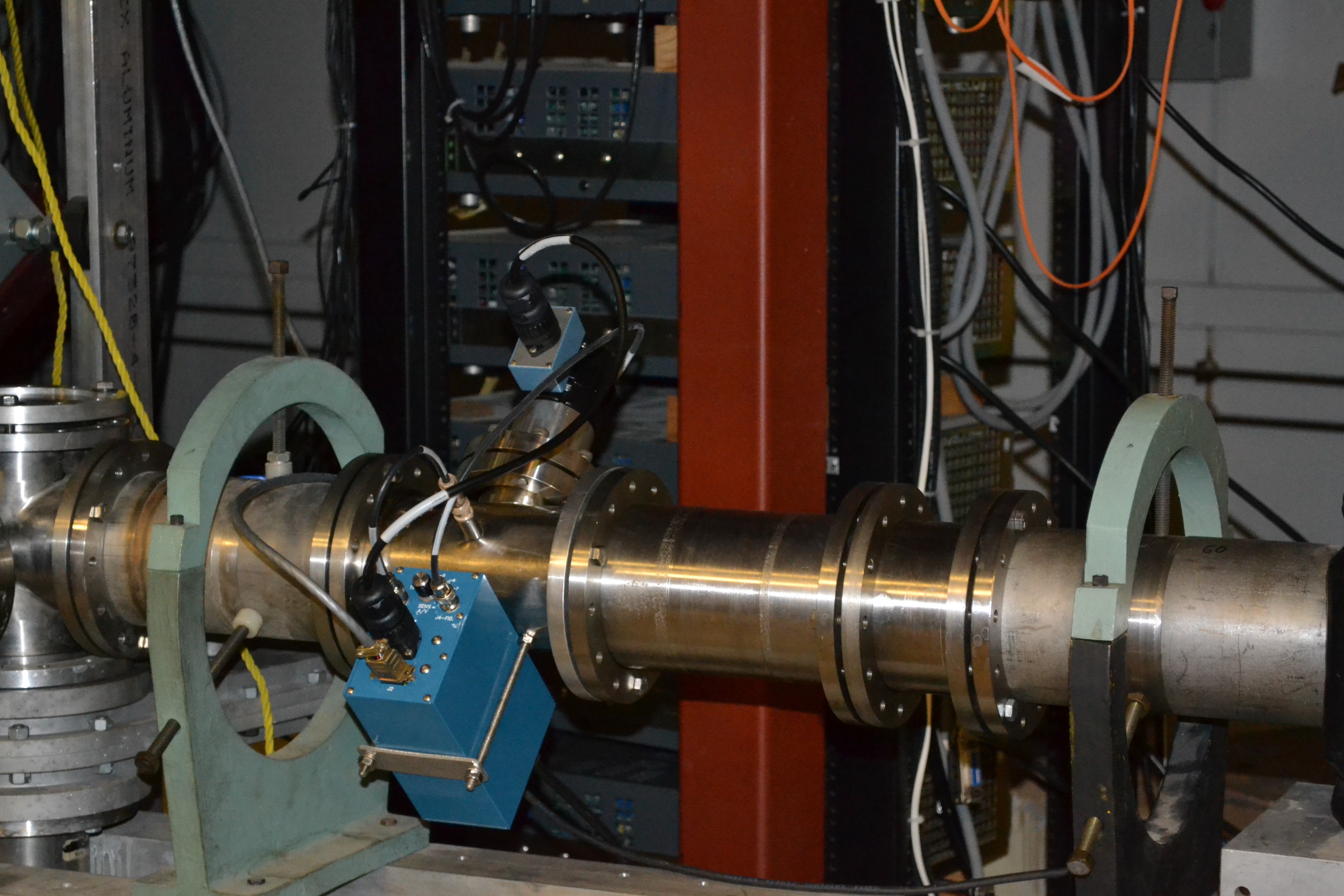
µBeam Microprobe Facility
A single-particle irradiation beam, it is used to study low level radiation dosimetry by delivering single helium or hydrogen ions into individual cells.
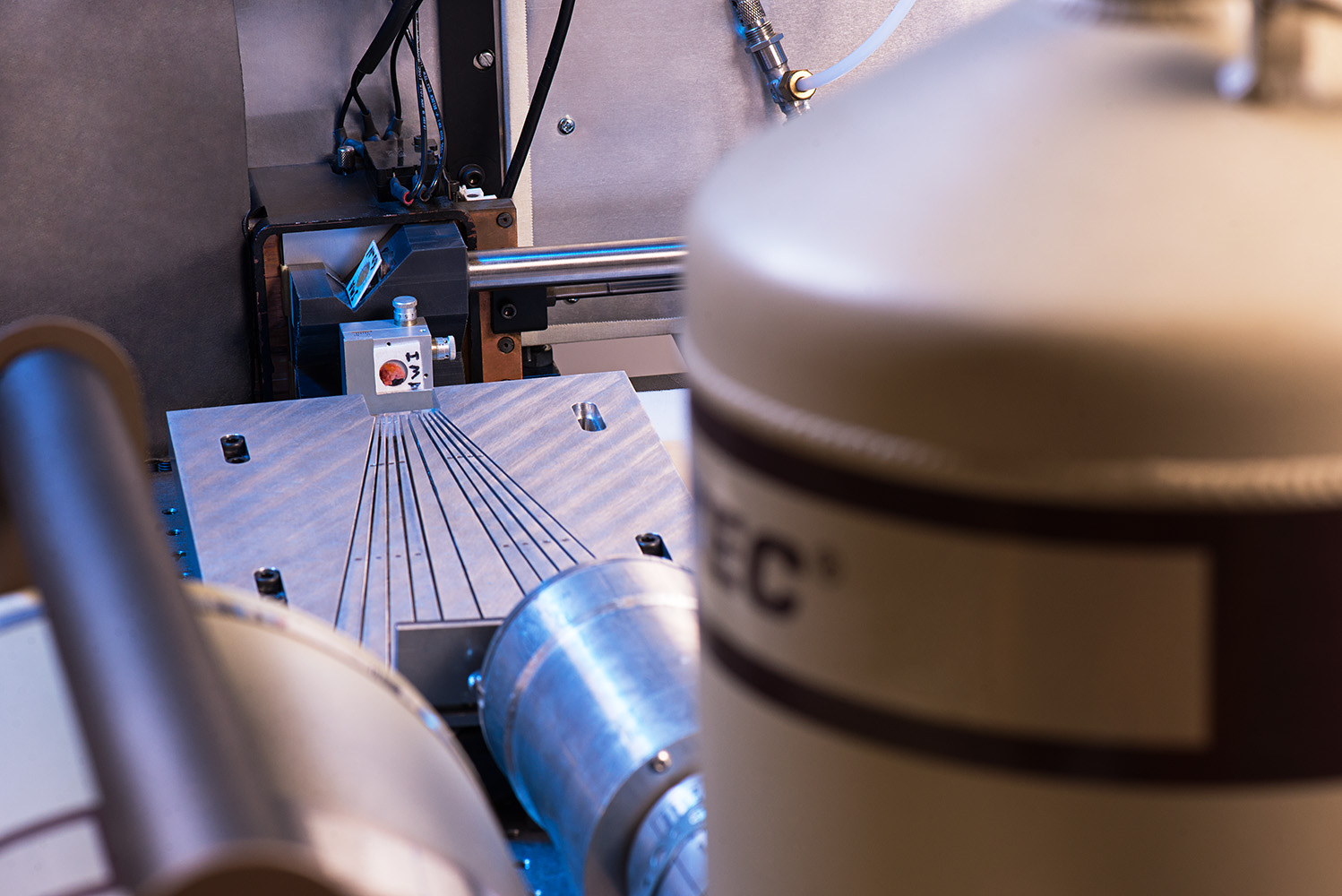
High-Purity Germanium Detectors
Germanium detectors are semiconductor diodes having a p-i-n structure in which the intrinsic (I) region is sensitive to ionizing radiation, particularly x-rays and gamma rays.
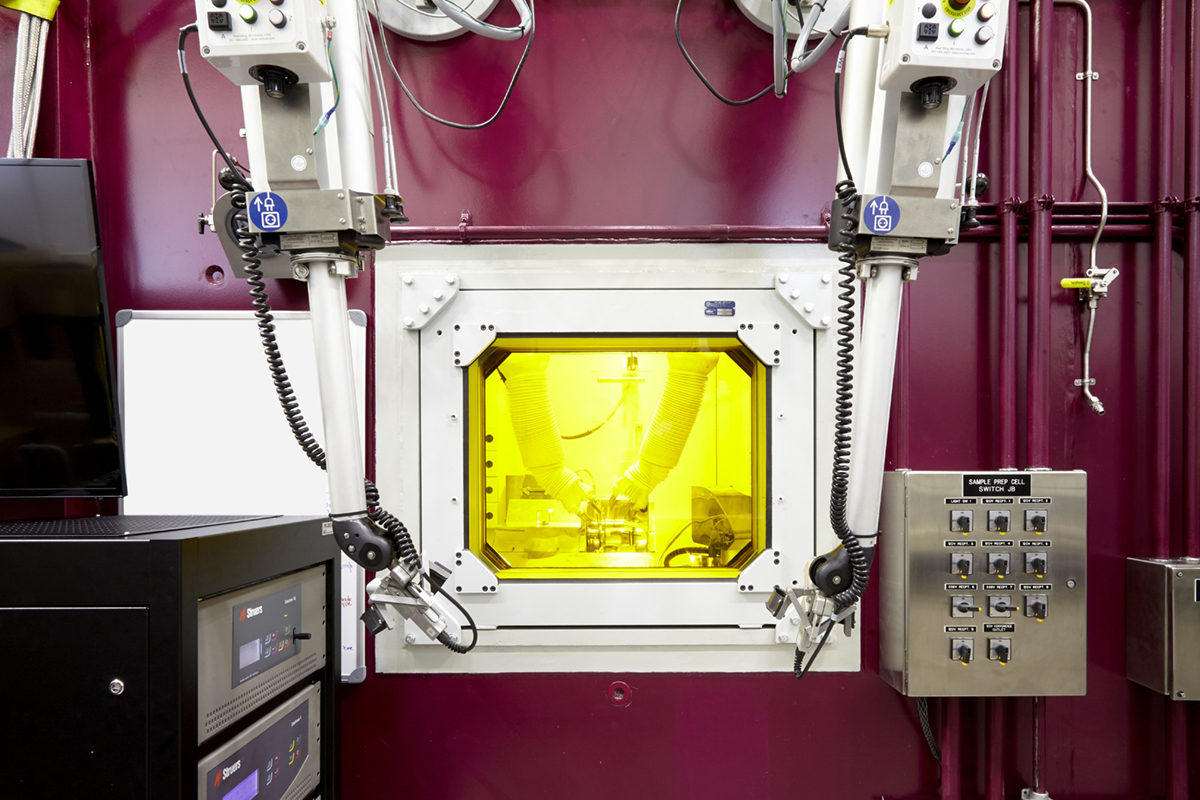
Sample Preparation Cell
This cell is equipped with suite of equipment including: a fully automatic microprocessor for controlled electrolytic polishing and etching, precision cutting of large samples, an automatic electro-hydraulic mounting press, and a grinding/polishing machine with variable speed.
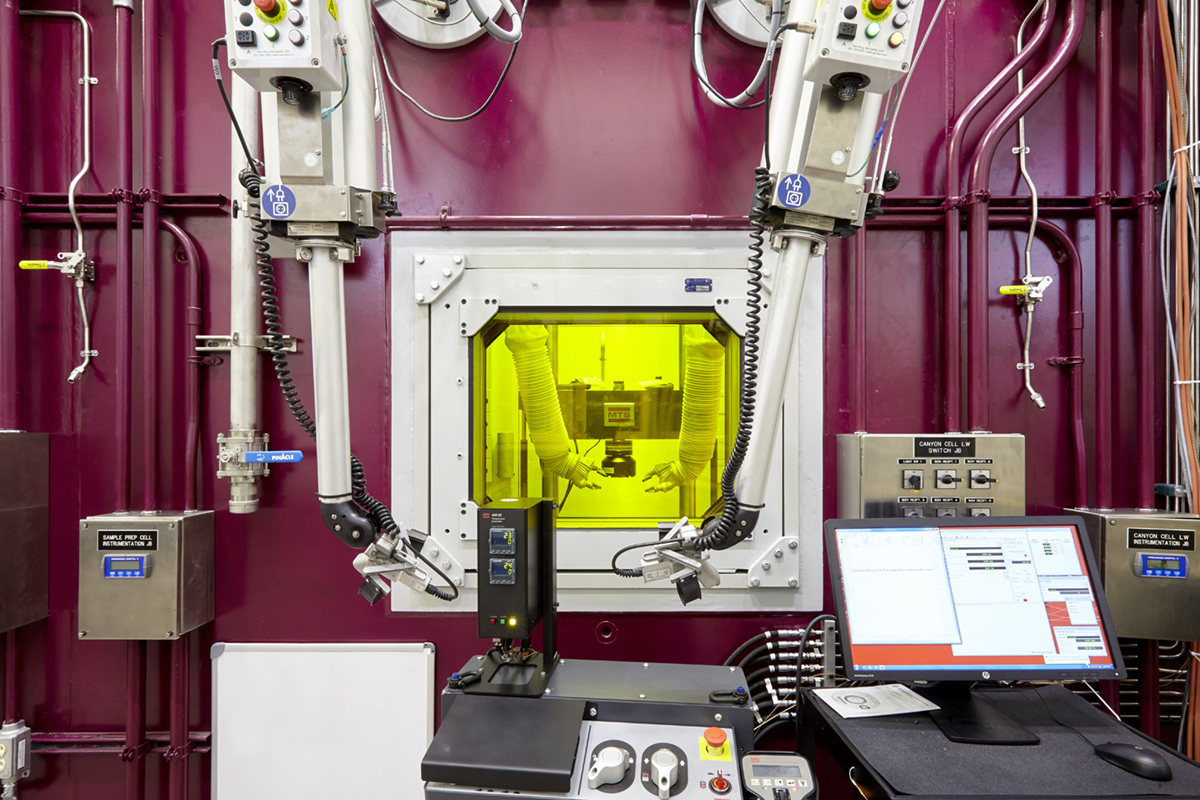
Materials Test Hotcell
This hotcell is equipped with an MTS Landmark servohydraulic test system. The software – MTS test suite tensile module with Test suites analyzes for low cycle fatigue, Klc fracture toughness and fracture analysis.
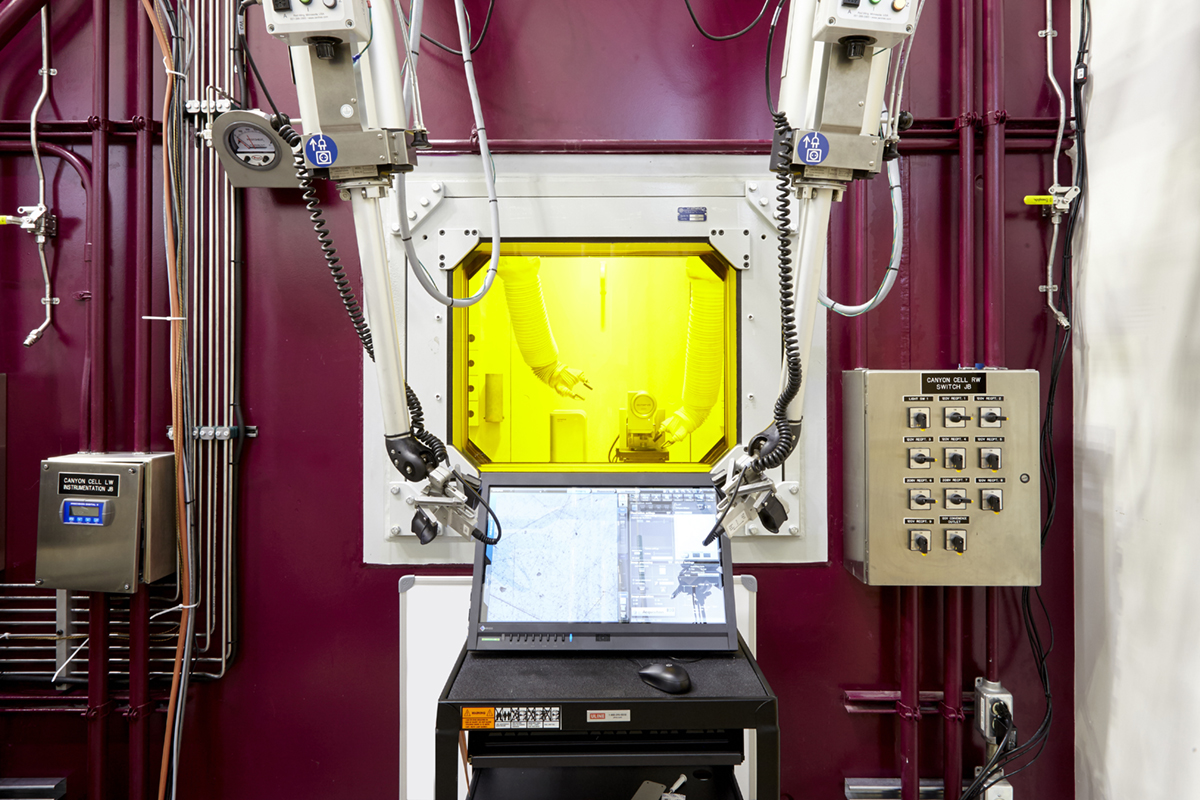
Optical Microscopy Hotcell
This hotcell is equipped with an Olympus Opto-Digital Microscope for analysis of highly radioactive samples.
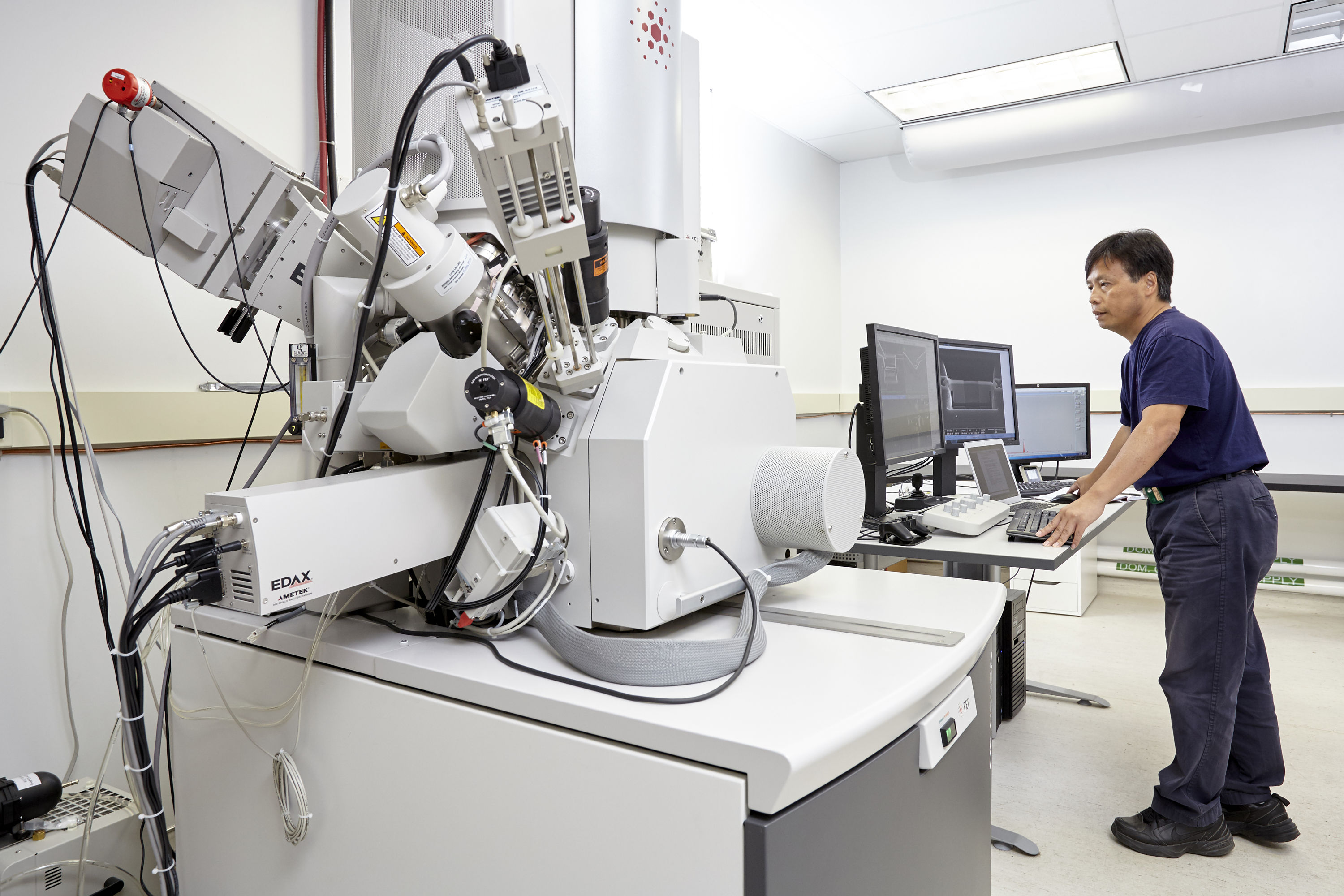
Electron Microscopy Suite
At the end of the hotcell suite the instrument room contains a shielded FEI Versa Dual Beam Scattering Electron Microscope/Focused Ion Beam (SEM/FIB) with EDAX trident system and two fume hoods for handling and etching of small active samples.